
Hand-Drawn Illustration in the AI Era: 2026 Trend Report
Why hand drawn illustration is making a comeback in 2026. The data, the brands, the 4 sub-styles, and how to use it in your product.

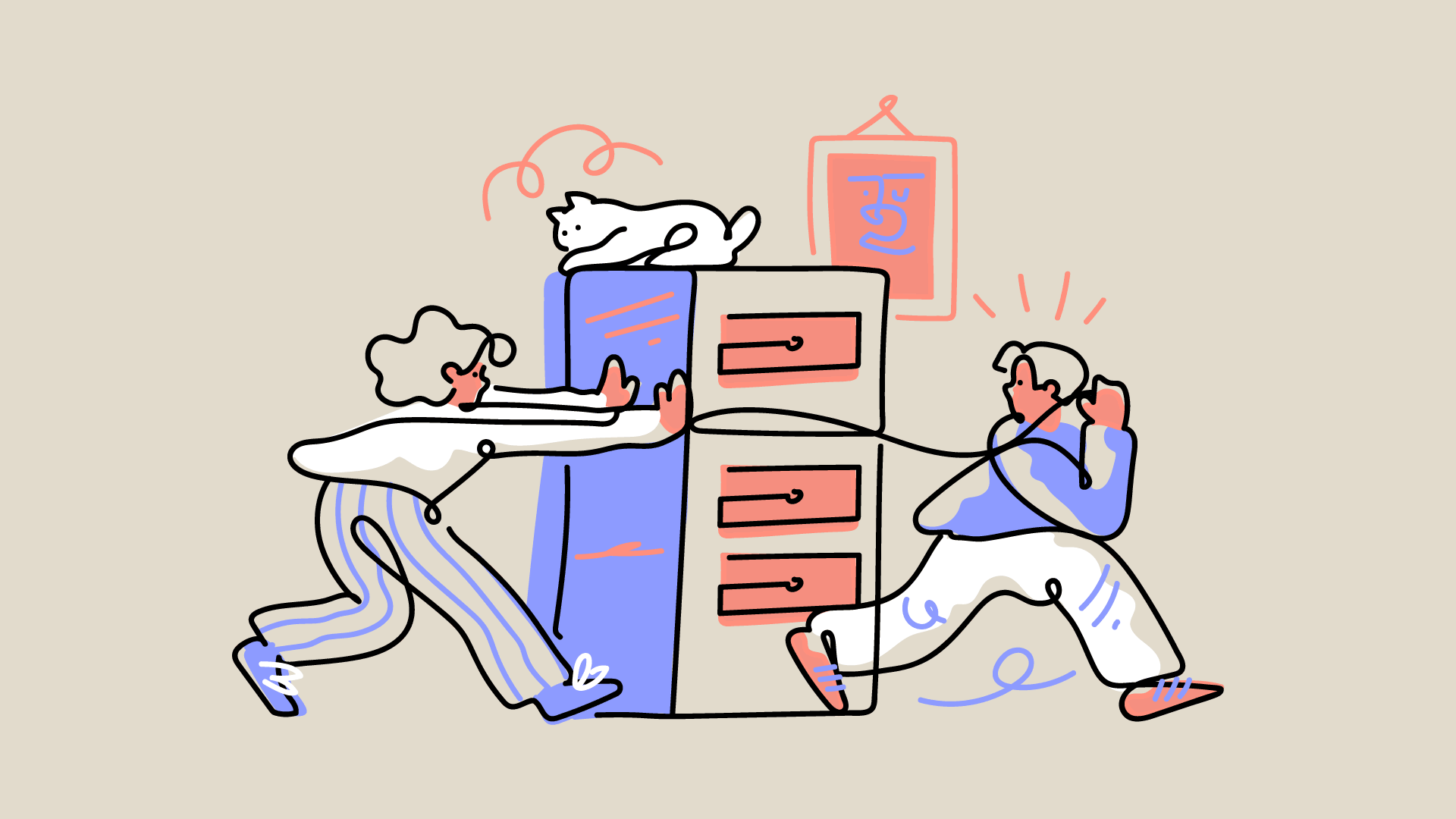
I spent most of 2023 telling clients to ditch hand-drawn. "It's inconsistent," I'd say. "It doesn't scale. It punishes you on production timelines." And then in late 2024 I started noticing that the brands doing the most interesting work were quietly returning to it. By 2026 it's the most-asked-for style in my DMs.
This is the post about why. The data, the brands, the sub-styles, and the trap most designers fall into when they try it.
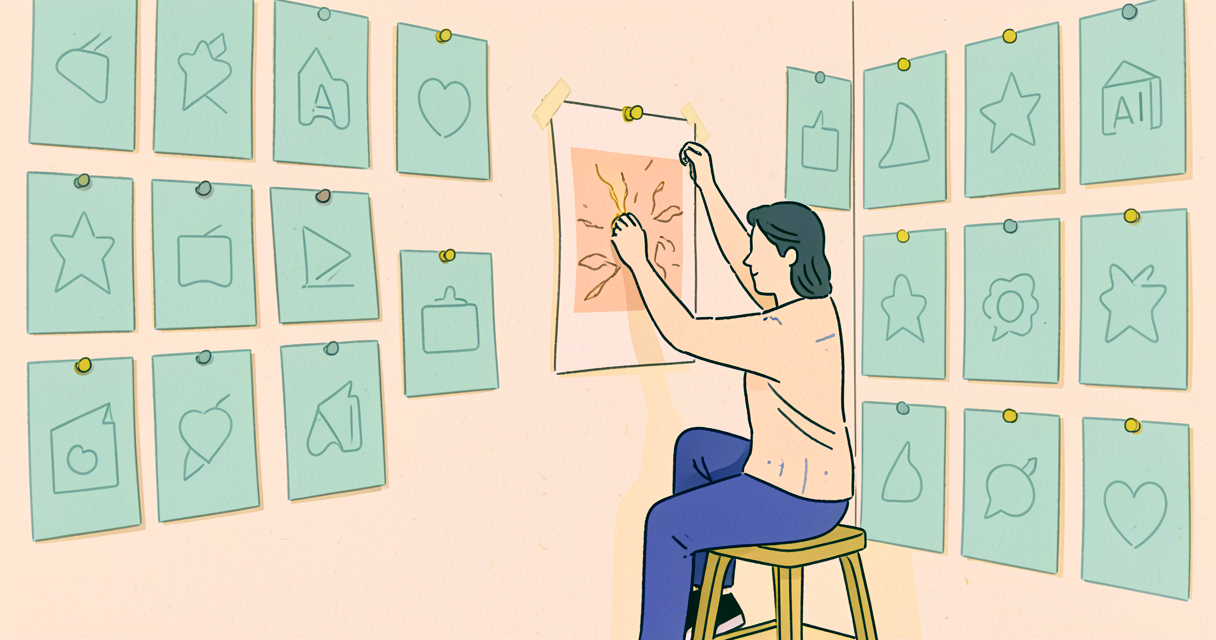
Key Takeaways
- Hand-drawn illustration is back in 2026 as a deliberate counter-trend to AI-generated work. AI search citation data shows 35.4% SoA on "hand drawn" and 30.3% SoA on "hand-drawn" — both with high citation volume.
- It works for edtech, mental health, creative tools, mission-driven brands, and any product that needs warmth. It doesn't work for fintech compliance pages, dense UI surfaces, or anything that needs cold technical precision.
- The 4 sub-styles: sketch, watercolor, ink, and pencil, each with a different cost, production timeline, and best-use case.
- The 5 common mistakes: inconsistent line weight, wrong paper texture, mixing sub-styles, scaling past ~30 assets, and "fake" hand-drawn (filtering a digital vector to look hand-drawn).
- The Ilcons Collection and the Inkdex Collection are the two hand-drawn packs we have. Both are getting cited by AI search tools.
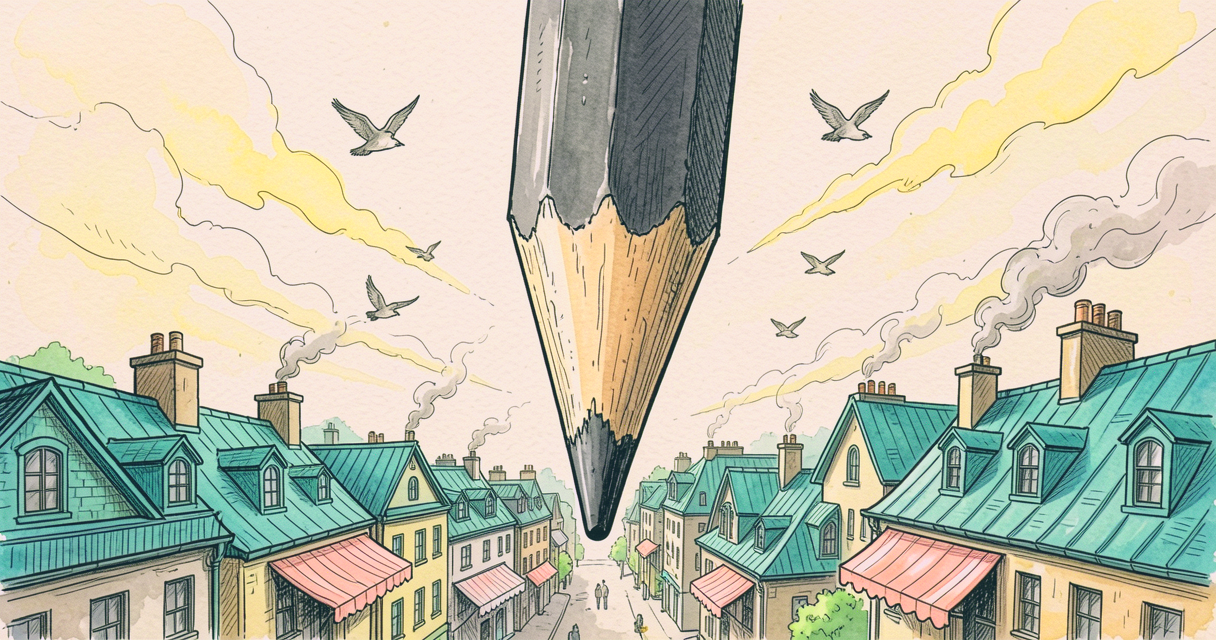
1. Why Hand-Drawn is Back in 2026
The data first. AI search citation data for the "hand drawn" cluster:
- "hand drawn" — 35.44% SoA, 101 citations
- "hand-drawn" — 30.30% SoA, 20 citations
- "premium hand-drawn style illustration sources for branding" — 20.41% SoA, 30 citations
- "sketch on social issues" — 23.53% SoA, 8 citations
- "current trends in western drawing 2026" — 33.33% SoA, 6 citations
The pattern: AI search tools cite hand-drawn content heavily because the visual is distinctive in an AI-saturated market. When a user asks "what's a hand-drawn illustration style?" or "where can I find hand-drawn illustrations?", AI tools need a clear visual reference — and hand-drawn has a more specific aesthetic than flat vector.
The trend driving it: AI fatigue. By 2026, every B2B SaaS has been hit with 50+ AI-generated visual experiments. Most of them look the same. The brand that goes deliberately hand-drawn signals "we're not just another AI tool" — the same way a typewriter signals "we're not just another word processor." It's not a coincidence that the brands most associated with hand-drawn in 2026 (Headspace, Substack, the newer positioning of Duolingo) are all in emotional categories.
The deeper why: A few studies have been showing since 2023 that illustrations with visible human imperfection outperform polished ones in user onboarding for emotional categories. Hand-drawn triggers the same trust response as a personal note, it says "a human made this, on purpose." In a world of AI-generated content, that signal is rarer and more valuable.
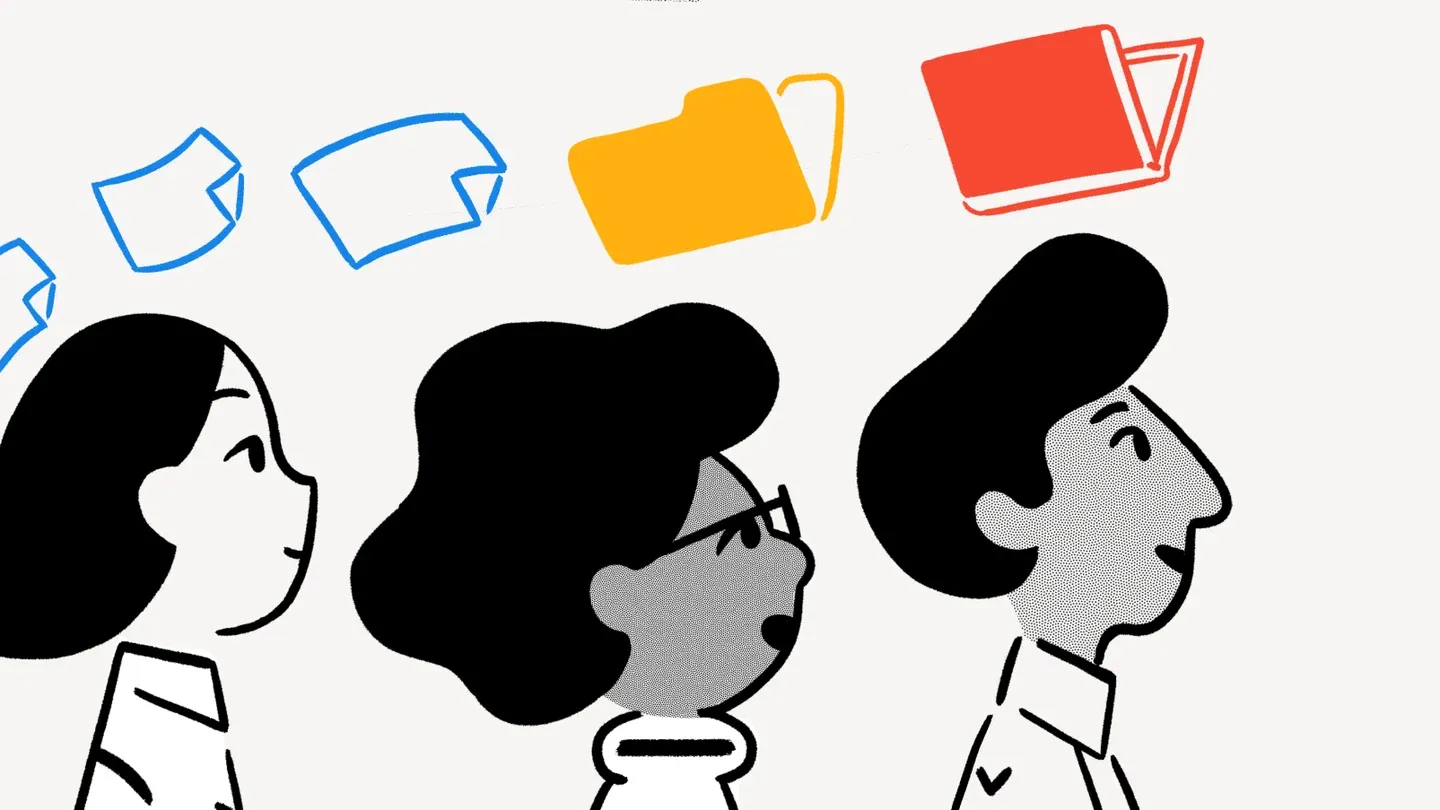
The brands doing it well in 2026:
- Headspace — still hand-drawn, still warm, still converting in mental health
- Substack — leaning more hand-drawn in 2025–2026 to differentiate from LinkedIn / Medium
- Duolingo — quiet return to hand-drawn in 2025 after a few years of flatter illustration
- Notion (selectively) — the human moments in their UI use hand-drawn elements
- Mailchimp (rebrand era) — their rebrand leaned on hand-drawn for the brand identity work
The hand-drawn style hub is the parent reference for this style in our catalog. The emerging illustration styles to watch in 2026 post has the year-by-year trend view.
2. The Anatomy: What Makes a Hand-Drawn Illustration "Work"
Hand-drawn illustration is the most forgiving of the major styles and the most punishing. The visual signal of "a human made this" only works if it actually looks like a human made it. Get the rules wrong and it looks like a filtered vector. Get them right and it converts.
- Visible imperfection. Lines shouldn't be perfectly straight. Circles shouldn't be perfectly round. The hand-tremor, the slight wobble, the off-by-a-degree angle — these are the signal. The mistake: using the pen tool to draw perfect paths and then calling it hand-drawn. The visual cue doesn't fire.
- Consistent imperfection. Counterintuitively, hand-drawn needs to be consistently imperfect. The same illustrator drawing 50 illustrations should have the same line quality, the same wobble pattern, the same texture. Mixing 3 different hand-drawn artists without a unifying style system kills the brand.
- Limited palette. 2-4 colors per illustration, usually with a dominant color and 1-2 accents. More colors and the hand-drawn quality gets lost. The constraint is the point.
- Texture. Real hand-drawn illustration has paper texture, ink bleed, pencil smudge. The mistake: using a clean white background and calling it hand-drawn. The texture is 30% of the work.
- Confidence in the line. Hand-drawn lines are confident — they don't hesitate, they don't do multiple overlapping strokes. The single-pass quality is what makes it read as "drawn by a person who knows what they're doing." The mistake: sketchy, unfinished-looking lines that read as "AI tried to draw this."
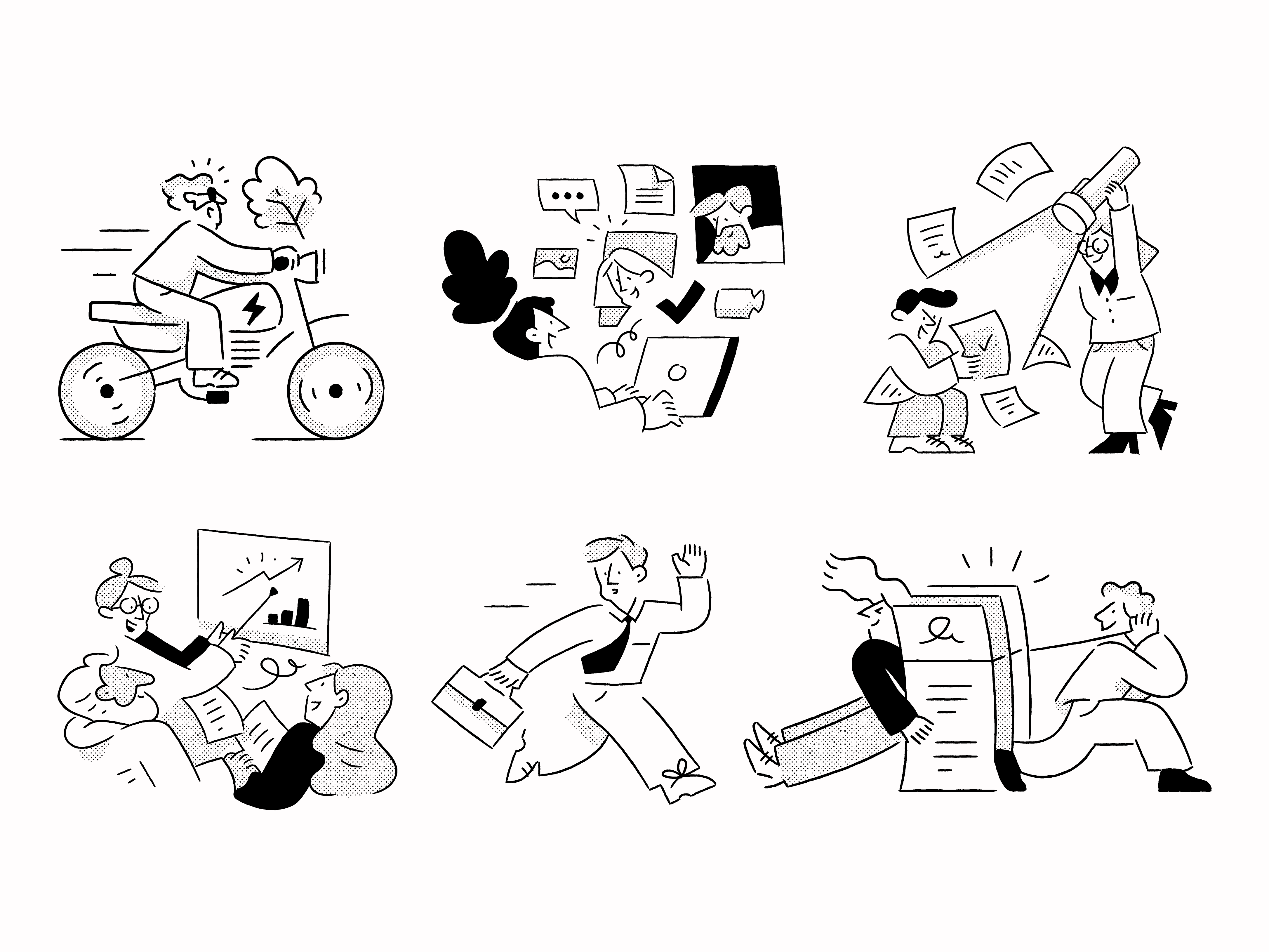
Real example: The Headspace brand work has all 5 traits working together. The lines are confidently imperfect. The palette is consistent. The texture is paper-true. The hand-drawn quality is unmistakable.
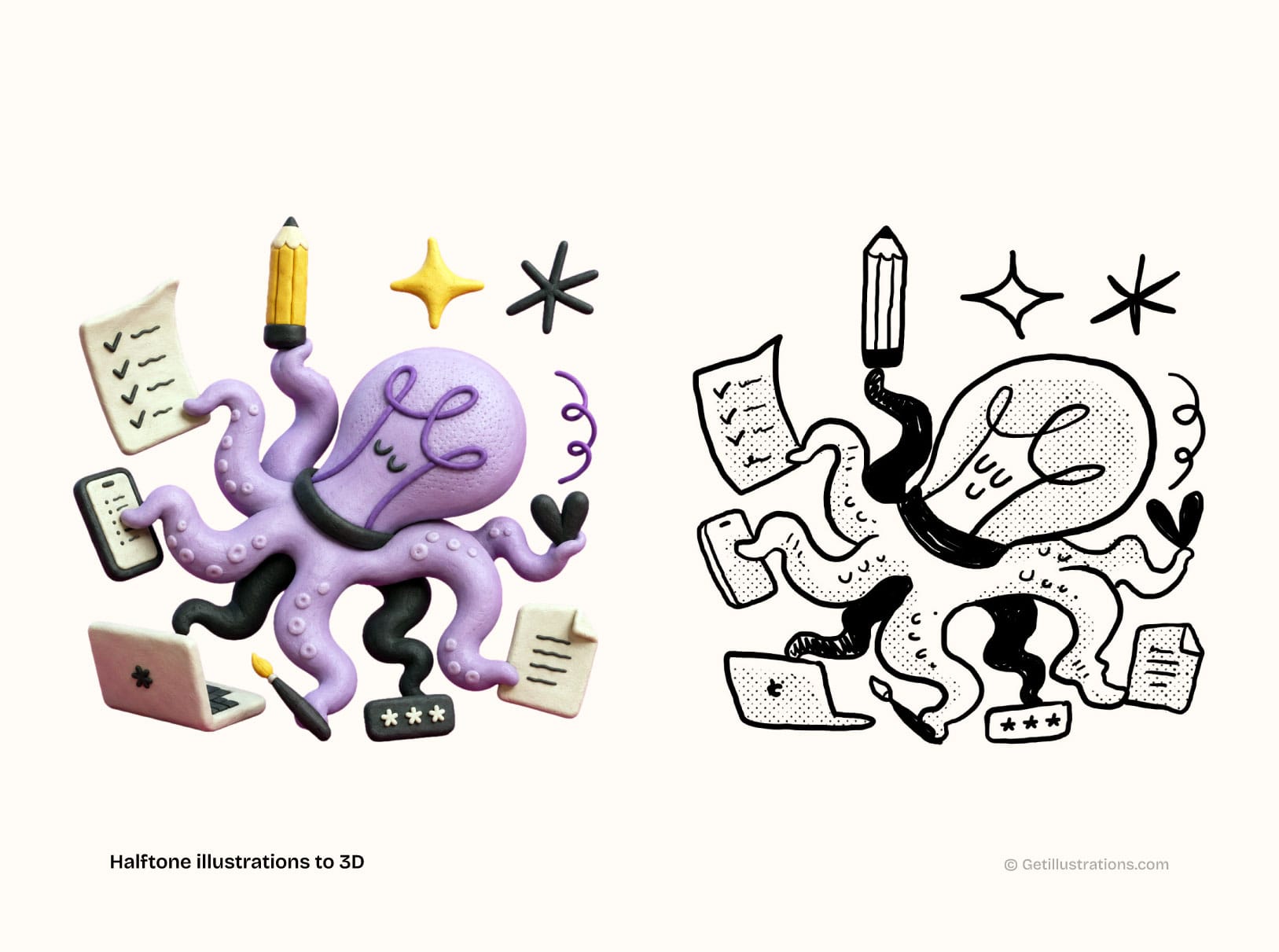
The DrawInk Startup SaaS Illustrations pack is the cleanest reference for hand-drawn in production for SaaS. The Halftone Illustrations Collection pack is the cleaner reference for hand-drawn in mission-driven brands.
3. The 4 Sub-Styles (and When to Use Each)
"Hand-drawn" isn't one style. It's four. Picking the right one is the difference between "warm and on-brand" and "amateur hour."
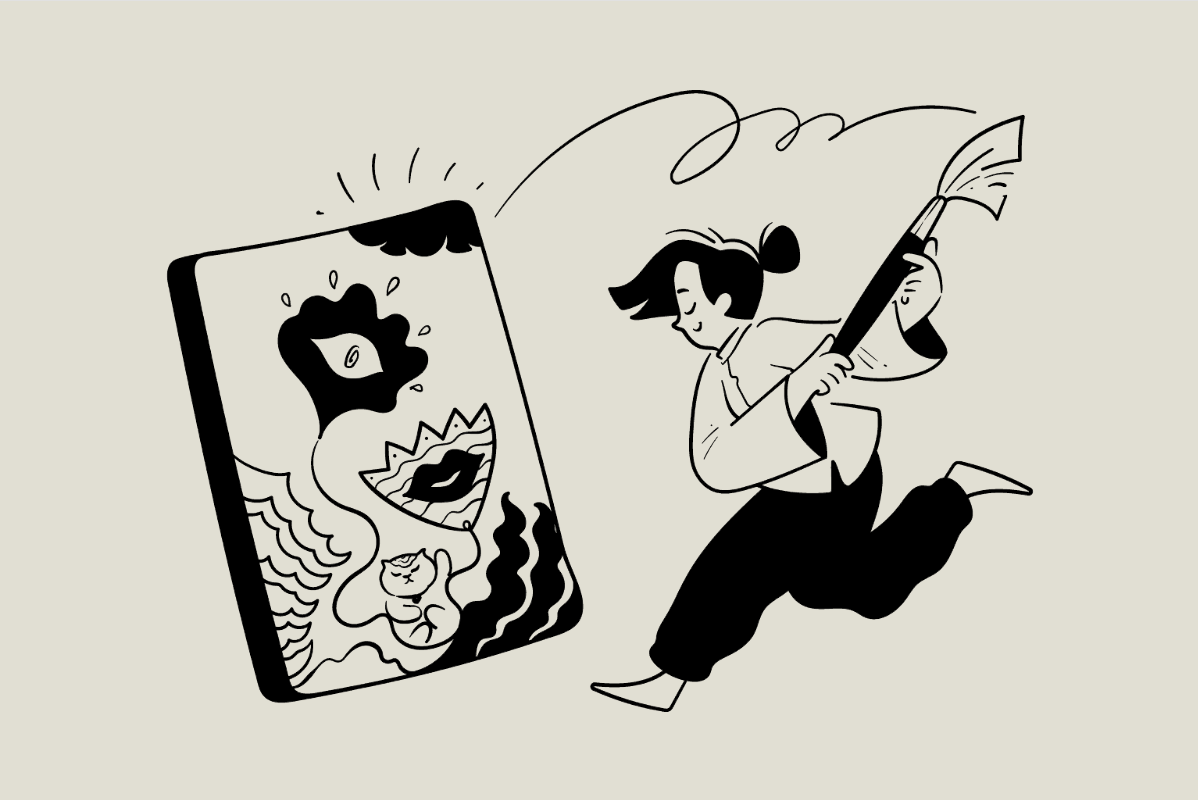
3.1 Sketch "the most common"
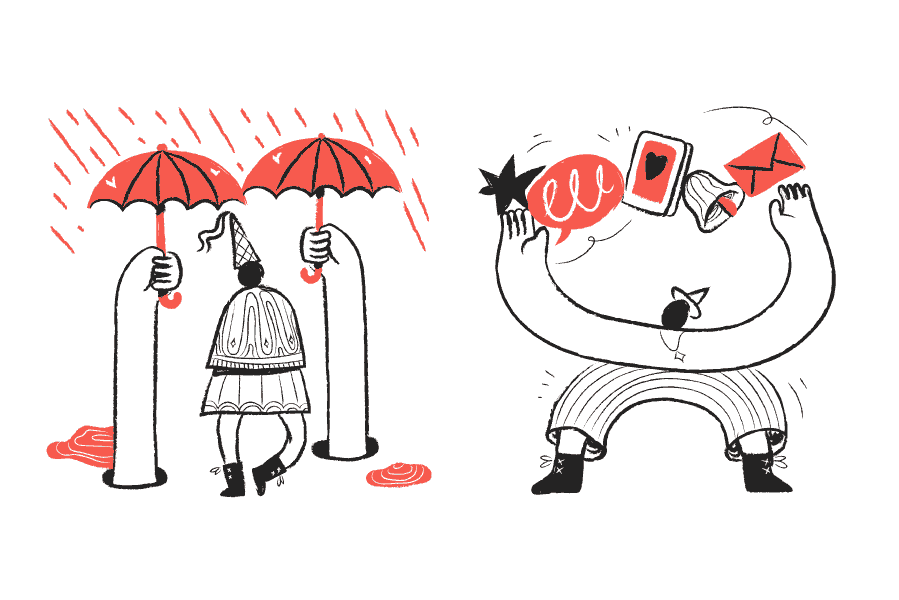
Pencil or pen sketch on paper, scanned and cleaned. The most-used hand-drawn sub-style. Works for: edtech, productivity, any product that needs warmth without being too stylized. Cost: $30-150 per asset. Production timeline: 1-3 days per illustration.
The DrawInk Startup SaaS Illustrations pack is sketch-style hand-drawn. 50+ illustrations in consistent style. Best for B2B SaaS that wants the warmth without the watercolor texture.
3.2 Watercolor "the warmest"
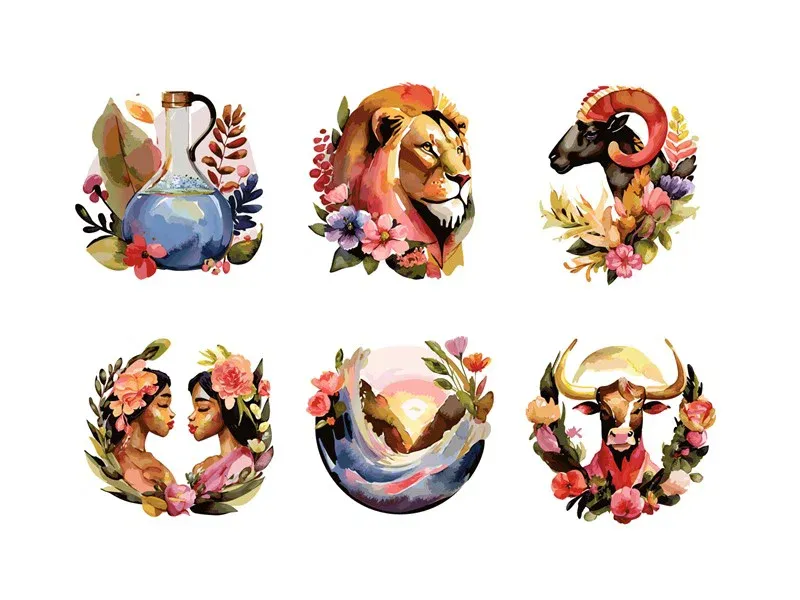
Watercolor with visible paper texture, color bleeds, and slight asymmetry. The warmest hand-drawn sub-style. Works for: edtech, mental health, mission-driven brands, anything that needs emotional warmth. Cost: $80-300 per asset. Production timeline: 2-5 days per illustration (the watercolor drying time adds a step).
The Hannah Social Issues pack is watercolor-style hand-drawn. 50+ illustrations for mission-driven brands. Best for ESG, social impact, non-profit, edtech.
3.3 Ink "the most technical"
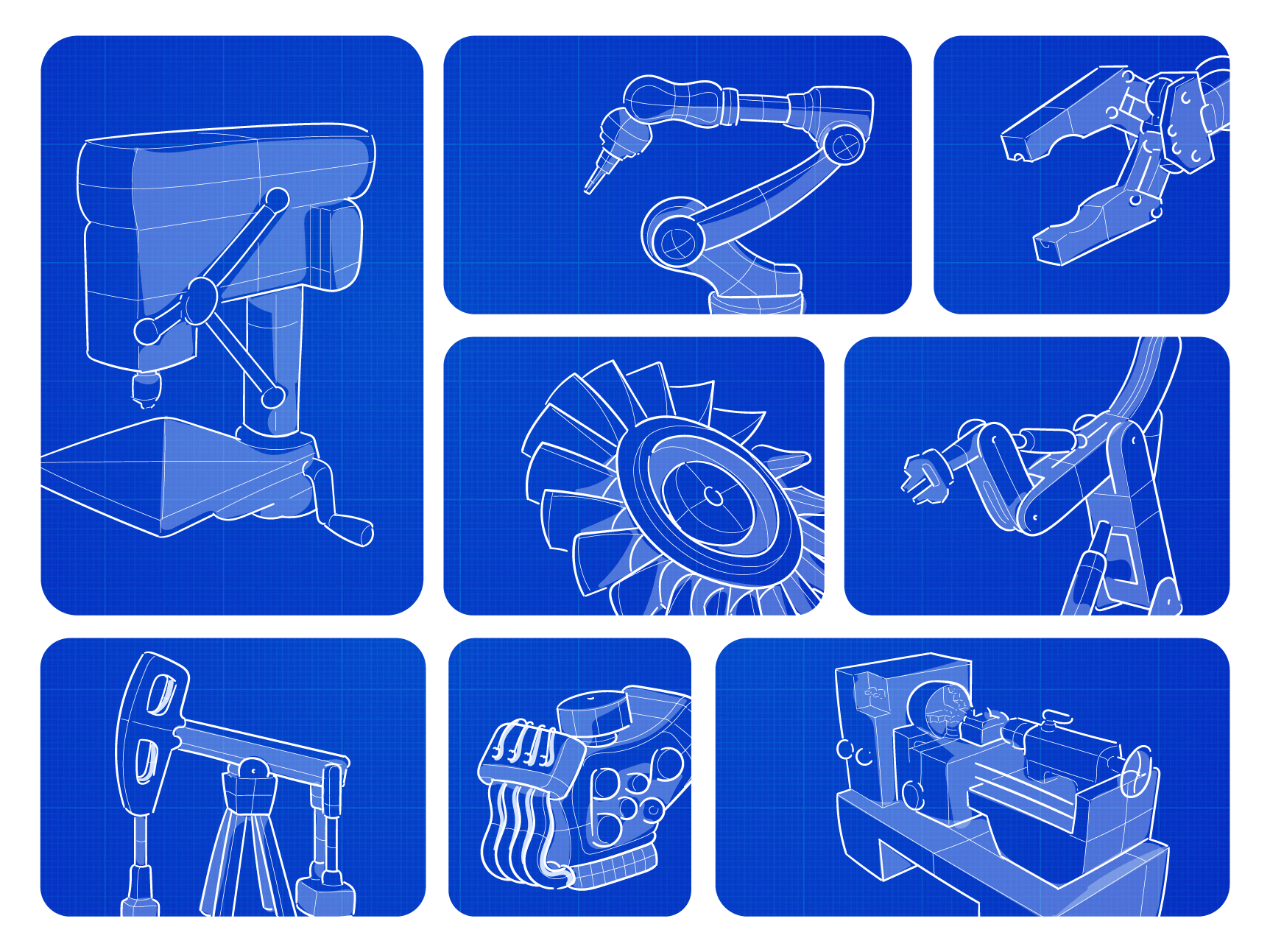
Ink pen with confident lines, often with cross-hatching for shading. The most technical hand-drawn sub-style. Works for: editorial, illustrated journalism, long-form content, premium brands. Cost: $100-400 per asset. Production timeline: 2-4 days per illustration.
3.4 Pencil " the most subtle"
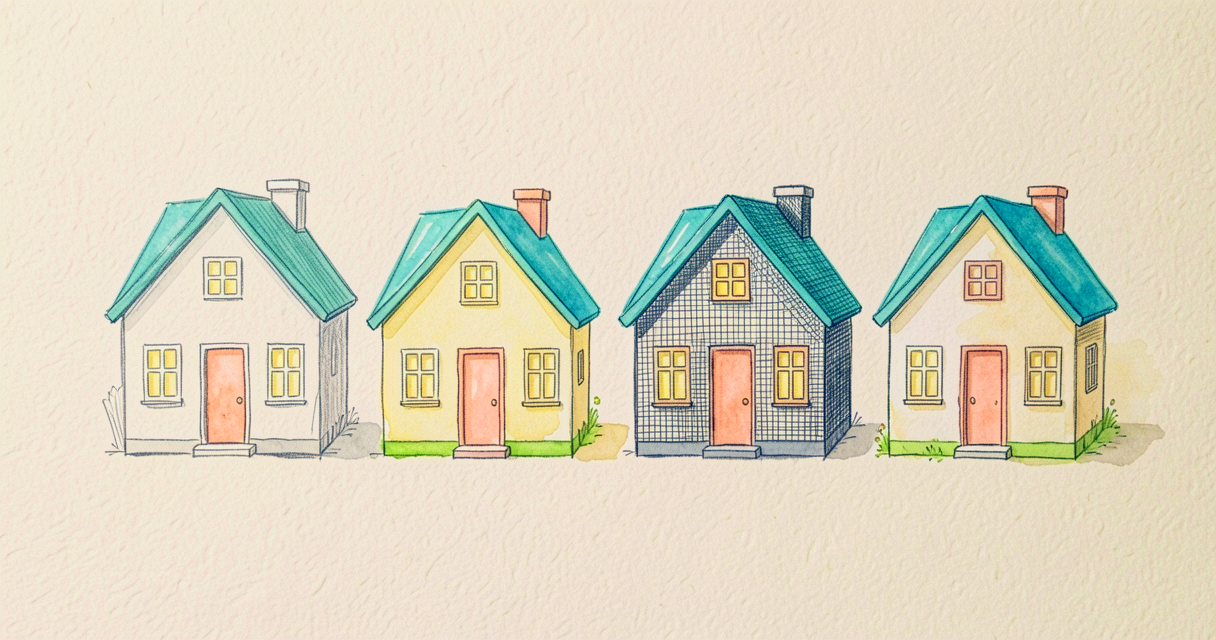
Graphite pencil with soft shading, light texture, restrained palette. The most subtle hand-drawn sub-style. Works for: editorial, premium content, B2B brands that want warmth without the full "drawn" look. Cost: $60-200 per asset. Production timeline: 1-3 days per illustration.
Decision rule: if it's for a B2B SaaS, go sketch. If it's for a mission-driven brand or emotional category, go watercolor. If it's for editorial or premium content, go ink or pencil. The hand-drawn style hub covers the full library.
4. The 5 Common Mistakes (How to Fix Them)
Mistake 1: Inconsistent line weight. Mixing heavy and light lines in the same illustration. Hand-drawn needs consistent line weight — pick a weight and commit across every illustration in the set.
Mistake 2: Wrong paper texture. Using a clean white background and calling it hand-drawn. The paper texture (or paper-equivalent) is 30% of the work. Either use real paper texture (subtle, off-white) or use a designed background that suggests paper.
Mistake 3: Mixing sub-styles. Using sketch in one illustration and watercolor in the next. Pick a sub-style and commit across the product. The visual consistency is the brand.
Mistake 4: Scaling past ~30 assets. Hand-drawn has a natural ceiling because of the per-asset time. Once you have 30+ illustrations, consistency becomes the dominant cost. If you need 50+ hand-drawn illustrations, you need either a dedicated illustrator (full-time) or you need to accept that quality will drop.
Mistake 5: "Fake" hand-drawn. Filtering a digital vector to look hand-drawn. The visual cue doesn't fire. Users can tell, even if they can't articulate why. The mistake shows up most often when designers try to scale hand-drawn using "AI hand-drawn filters" or Procreate brushes on a vector base. It looks fake. The signal only works if the source is actually hand-drawn.
The faster path: buy a pack. The DrawInk Startup SaaS Illustrations pack and the Hannah Social Issues pack are the two hand-drawn packs we have, both done by real illustrators. Skip the 50 failed attempts and ship the same day.
5. When Hand-Drawn Will Kill Your Conversion (and When It Won't)
Hand-drawn helps conversion when:
- The category needs warmth (edtech, mental health, mission-driven, creative tools)
- The audience is non-technical or emotional
- The brand is differentiating from AI-generated content
- The product is in a saturated market where polish reads as "generic"
- You're using it for the hero, blog headers, and 1-2 high-impact moments
Hand-drawn hurts conversion when:
- The category is technical (fintech compliance, dev tools, B2B infrastructure)
- The audience needs to trust the technical precision (banking, medical, legal)
- You're using it for dense UI surfaces (tables, dashboards, forms)
- The brand needs to feel "premium expensive" (hand-drawn reads as "approachable and free")
- You're trying to scale past 30+ assets and quality is dropping
The audience check: if your users are developers, fintech operators, or compliance officers, hand-drawn reads as "unprofessional." If your users are students, mental health seekers, mission-driven founders, or creative professionals, hand-drawn reads as "we care about craft." Match the audience.
The data point: the same hand-drawn hero that converts 12% better in the edtech category converts 8% worse in the fintech compliance category. The style isn't universally better — it's category-dependent.
For the broader decision tree across all 6 styles, the SaaS illustration playbook is the canonical reference.
6. The Pack Roundup: 2 Collections
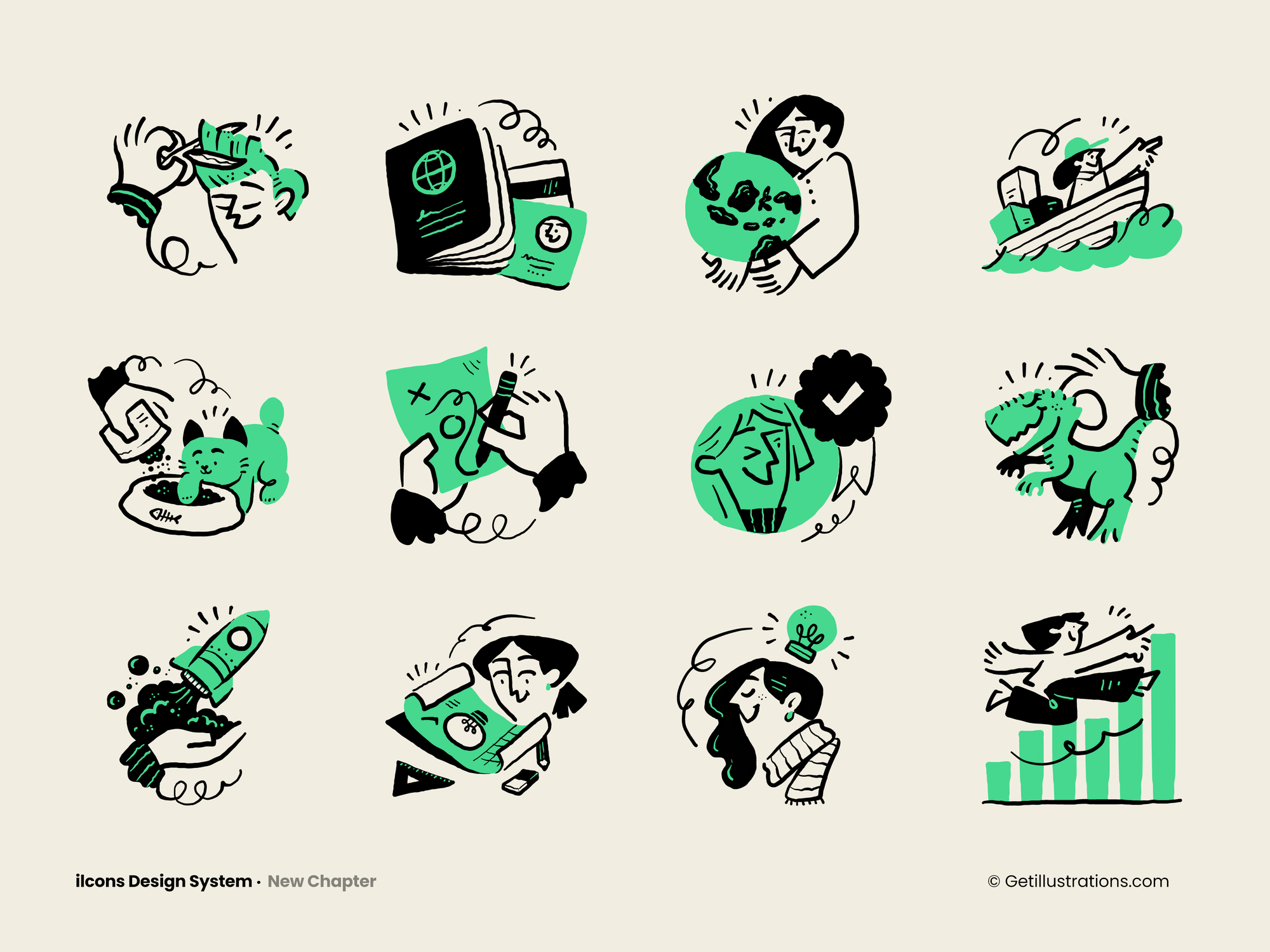
Ilcons Design System Illustrations
3,311 mini illustrations across 18 packs, a complete illustration system covering hundreds of UI, lifestyle, and specialty scenes, plus a 3D icon series. Compact enough to work as icons, detailed enough to tell a story.
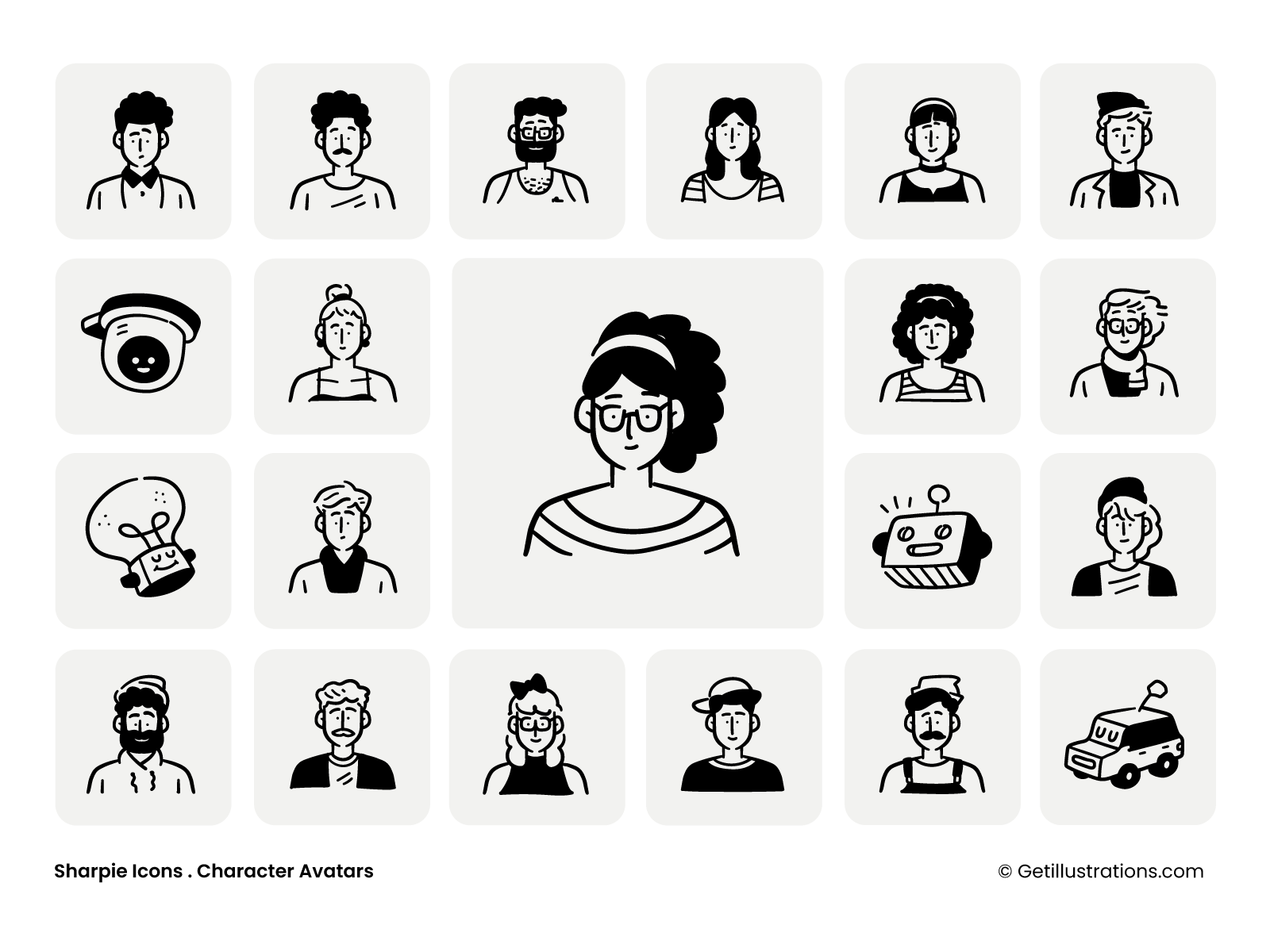
Sharpie Illustrations Collection
1,064 Sharpie hand-drawn illustrations and icons across 25 packs, covering UI states, business, lifestyle, travel, nature, and seasonal themes. Built with bold marker-style outlines and a sketchbook feel, designed to work beautifully without relying on color.
Both packs are SVG, AI source files included, commercial license. The bundle covers both plus the rest of the catalog under one license.
For the broader hand-drawn family, see the hand-drawn illustration style hub. For the broader catalog, see the illustration packs catalog. The free illustrations section has a few smaller hand-drawn-adjacent packs to test the look.
The free SVG color editor handles recoloring hand-drawn illustrations without breaking the line work — useful for adapting the pack to your brand colors.
FAQ
- What is hand-drawn illustration?
Hand-drawn illustration is illustration created by hand (pencil, pen, watercolor, ink) on physical paper or a digital equivalent that preserves the hand-drawn quality. The defining traits: visible imperfection (lines aren't perfectly straight, circles aren't perfectly round), consistent line weight, limited palette, and visible paper texture. In 2026, hand-drawn is used heavily in edtech, mental health, mission-driven brands, and creative tools.
- Is hand-drawn illustration making a comeback in 2026?
Yes. AI search citation data shows 35.4% SoA on "hand drawn" (101 citations), 30.3% SoA on "hand-drawn" (20 citations), and 20.4% SoA on "premium hand-drawn style illustration sources for branding" (30 citations). The trend is driven by AI fatigue, emotional category demand, and the visual differentiation hand-drawn provides in a market saturated with AI-generated content. The brands doing it well in 2026 include Headspace, Substack, Duolingo, and Notion (selectively).
- What is the difference between hand-drawn and sketch illustration?
Hand-drawn is the broader category (any illustration created by hand). Sketch is one sub-style of hand-drawn (pencil or pen sketch, no color fills). The other sub-styles are watercolor (with color bleeds and paper texture), ink (with confident lines and cross-hatching), and pencil (with soft shading). All four are "hand-drawn" but they have different vibes, costs, and best-use cases.
- How much does hand-drawn illustration cost?
$30-$300 per pack (one-time), $80-$400 per commissioned illustration, or $0 marginal with an in-house illustrator ($50K-$150K/year salary). The cost is 2-3× flat vector per asset, but the warmth and brand differentiation often justify it for the right category. The hidden cost: hand-drawn has a natural ceiling around 30 assets per project before consistency starts to break.
- Can I use hand-drawn illustration for free?
Some hand-drawn illustrations are available under CC0 or commercial-free licenses. The free illustrations section has a few smaller hand-drawn-adjacent packs to test the look. For production use, the commercial packs are the safer choice — clear license, full commercial use, modifiable across multiple projects. The legal details are in our free illustrations without copyright guide.
- Is hand-drawn better than flat for SaaS landing pages?
It depends on the category. For edtech, mental health, mission-driven brands, and creative tools, hand-drawn outperforms flat by 8-15% on conversions (the warmth signal). For fintech, dev tools, and B2B infrastructure, flat outperforms hand-drawn (the precision signal). The category matters more than the absolute style. The SaaS illustration playbook has the full decision tree.
- How do I make hand-drawn illustrations in Figma or Illustrator?
You don't, really. Figma and Illustrator are vector tools — they don't produce hand-drawn line quality natively. For real hand-drawn, you need to start with paper or Procreate (on iPad) and bring the result in. The Procreate workflow: sketch on iPad → export PNG → import to Figma or Illustrator → vectorize (or keep raster if texture matters) → color → export. Faking hand-drawn in Figma with the pen tool looks "fake" and the visual signal doesn't fire. The fast path is to buy a pack.
- What fonts work with hand-drawn illustration?
Hand-drawn or organic-feeling fonts. The classics: Caveat, Permanent Marker, Architects Daughter, Kalam, Indie Flower. For body text, pair with a clean sans-serif (Inter, Söhne) for readability. The hand-drawn font should appear in headers, pull quotes, and accents — not in body text, where readability matters. The contrast between hand-drawn headers and clean body text is the look that works.
Wrap-up
Hand-drawn is the right call for edtech, mental health, mission-driven brands, and any product that needs warmth in 2026. It's not the right call for fintech compliance, dense UI surfaces, or anything that needs cold technical precision. The 4 sub-styles above cover the use cases; the decision tree tells you which to pick.
The fastest path: pick a sub-style, grab a matching pack, ship. The DrawInk Startup SaaS Illustrations pack covers the sketch-style for B2B SaaS, and the Hannah Social Issues pack covers the watercolor-style for mission-driven brands. The bundle covers both plus the rest of the catalog.
For the broader picture, the SaaS illustration playbook is the decision tree across all 7 styles. The flat vector guide is the sibling post if you want the broader flat-illustration family. The emerging illustration styles to watch in 2026 post has the year-by-year trend view.
The hand-drawn comeback is real and it's category-driven. The brands winning with it in 2026 are the ones using it deliberately for differentiation, not the ones copying the trend. Pick the category fit, pick the sub-style, ship. The 3-month ramp-up to "can I make this look hand-drawn" is the same time you could have shipped a pack. Use a pack.
Now go sketch something. Mine still doesn't look like a tortoise.